
A targeted procedure that eliminates abnormal pathways causing sudden episodes of fast heartbeat.
SVT ablation is a minimally invasive heart procedure used to treat supraventricular tachycardia (SVT), a condition where the heart beats abnormally fast due to faulty electrical signals in the upper chambers of the heart.
High success with long-term cure in most patients.
The success rate indicates how effective the procedure is in treating the targeted arrhythmia. It reflects the proportion of patients who achieve long-term control or complete elimination of abnormal heart rhythms after treatment, with minimal recurrence and reduced need for ongoing medications or repeat interventions.
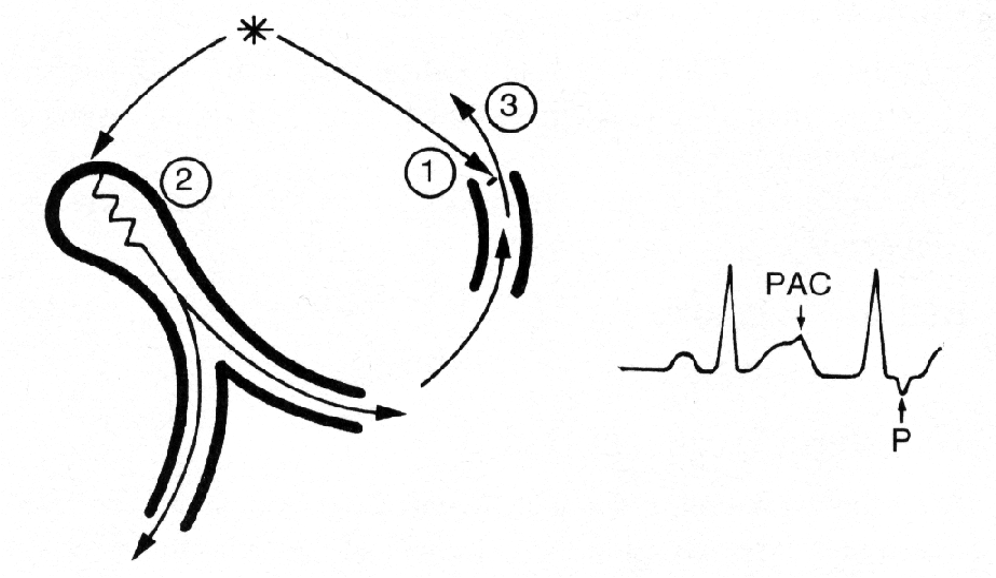
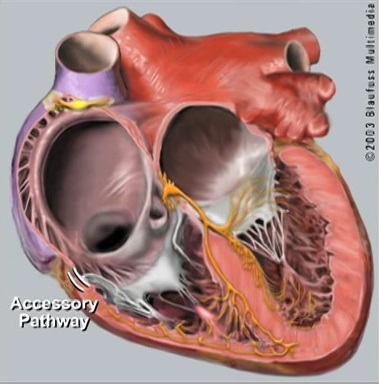
SVT ablation targets the abnormal electrical pathways in the heart that cause rapid or irregular heartbeats. By creating small scars in the affected area, the procedure stops the abnormal signals, providing long-term relief from palpitations, dizziness, and fatigue.

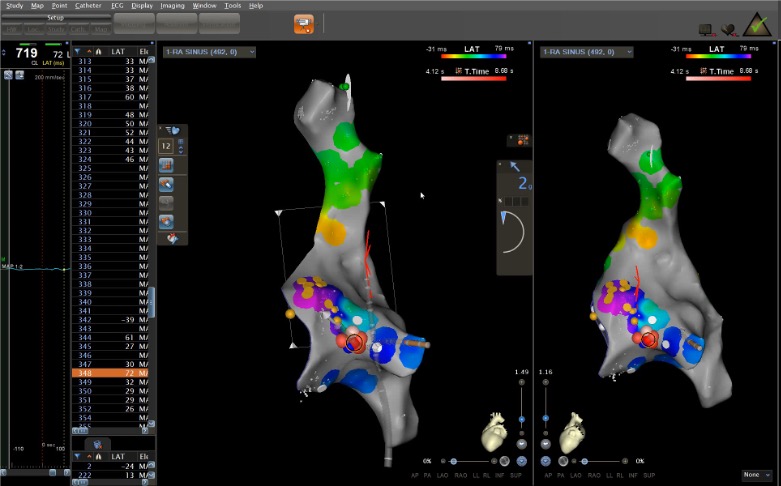
The procedure is performed using catheters inserted through veins, guided to the heart under imaging. SVT ablation is minimally invasive, usually requires only local anesthesia with sedation, and patients often return home the same day or after an overnight stay.

SVT ablation has a high success rate, especially for common forms like AV nodal reentrant tachycardia (AVNRT). Most patients experience complete symptom resolution, and the risk of recurrence is low, reducing the need for long-term medications.

SVT ablation targets the abnormal electrical pathways in the heart that cause rapid or irregular heartbeats. By creating small scars in the affected area, the procedure stops the abnormal signals, providing long-term relief from palpitations, dizziness, and fatigue.

The procedure is performed using catheters inserted through veins, guided to the heart under imaging. SVT ablation is minimally invasive, usually requires only local anesthesia with sedation, and patients often return home the same day or after an overnight stay.

SVT ablation has a high success rate, especially for common forms like AV nodal reentrant tachycardia (AVNRT). Most patients experience complete symptom resolution, and the risk of recurrence is low, reducing the need for long-term medications.
© 2023 Created with Royal Elementor Addons