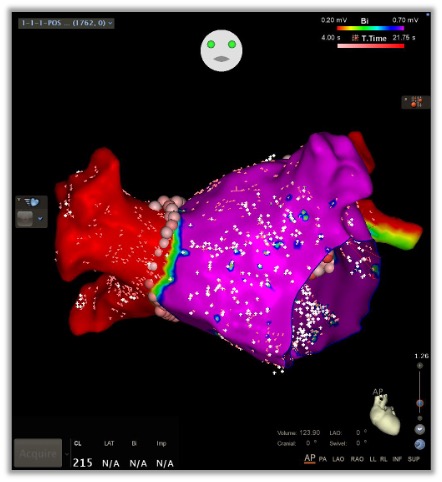
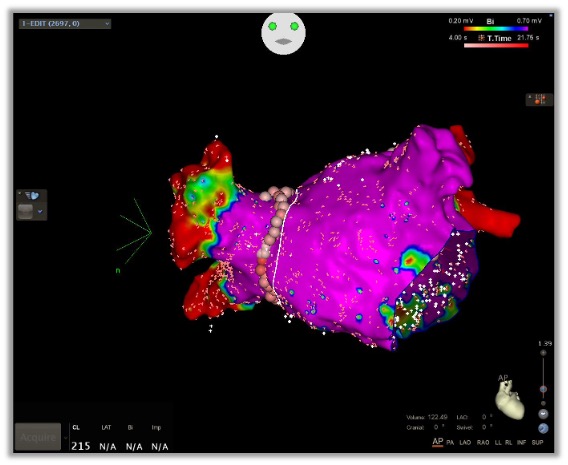

Atrial fibrillation (AFib) and atrial flutter are common heart rhythm disorders, also known as arrhythmias. Both conditions affect the heart’s upper chambers (atria) and can cause an irregular or rapid heartbeat. Early diagnosis and proper treatment are important to reduce the risk of complications such as stroke and heart failure
Atrial fibrillation (AFib) is the most common type of heart rhythm disorder. It occurs when the electrical signals in the atria become disorganized, causing the heart to beat irregularly and often too fast. This can reduce how well the heart pumps blood and increase the risk of blood clots.
Some people may not notice symptoms, while others may experience:
High Blood Pressure High blood pressure (hypertension) occurs when blood pushes too strongly against artery walls. Over time, it can strain the heart and increase the risk of heart disease and stroke.
These conditions affect the heart’s structure or valves, making it harder for the heart to pump blood properly and increasing the risk of abnormal heart rhythms.
Heart failure occurs when the heart cannot pump blood effectively to meet the body’s needs, leading to fatigue, shortness of breath, and fluid buildup.
Diabetes is a chronic medical condition in which the body is unable to properly regulate blood sugar (glucose) levels due to problems with insulin production or use.
Obesity is a medical condition characterized by excessive body fat that increases the risk of health problems such as heart disease, diabetes, high blood pressure, and abnormal heart rhythms.
Thyroid disorders occur when the thyroid gland produces too much or too little hormone, affecting the body’s metabolism.
Excessive alcohol use can negatively affect the heart by increasing blood pressure and disrupting normal heart rhythm. Over time, it raises the risk of heart disease, atrial fibrillation, and other serious health problems.
Advancing age refers to the natural changes in the body that occur over time. As people get older, the risk of heart rhythm problems and other cardiovascular conditions increases due to wear on the heart and blood vessels.

High Blood Pressure High blood pressure (hypertension) occurs when blood pushes too strongly against artery walls. Over time, it can strain the heart and increase the risk of heart disease and stroke. Managing it with medication and healthy lifestyle habits helps prevent complications.

These conditions affect the heart’s structure or valves, making it harder for the heart to pump blood properly and increasing the risk of abnormal heart rhythms.

Heart failure occurs when the heart cannot pump blood effectively to meet the body’s needs, leading to fatigue, shortness of breath, and fluid buildup.

Diabetes is a chronic medical condition in which the body is unable to properly regulate blood sugar (glucose) levels due to problems with insulin production or use. Persistently high blood sugar can damage blood vessels, nerves, and vital organs over time.

Obesity is a medical condition characterized by excessive body fat that increases the risk of health problems such as heart disease, diabetes, high blood pressure, and abnormal heart rhythms. It places extra strain on the heart and can worsen existing medical conditions.
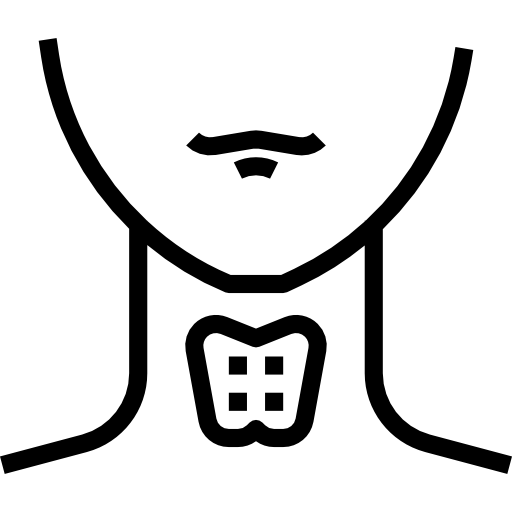
Thyroid disorders occur when the thyroid gland produces too much or too little hormone, affecting the body’s metabolism. These imbalances can impact heart rate and rhythm, leading to symptoms such as fatigue, weight changes, and irregular heartbeats.

Excessive alcohol use can negatively affect the heart by increasing blood pressure and disrupting normal heart rhythm. Over time, it raises the risk of heart disease, atrial fibrillation, and other serious health problems.

Advancing age refers to the natural changes in the body that occur over time. As people get older, the risk of heart rhythm problems and other cardiovascular conditions increases due to wear on the heart and blood vessels.
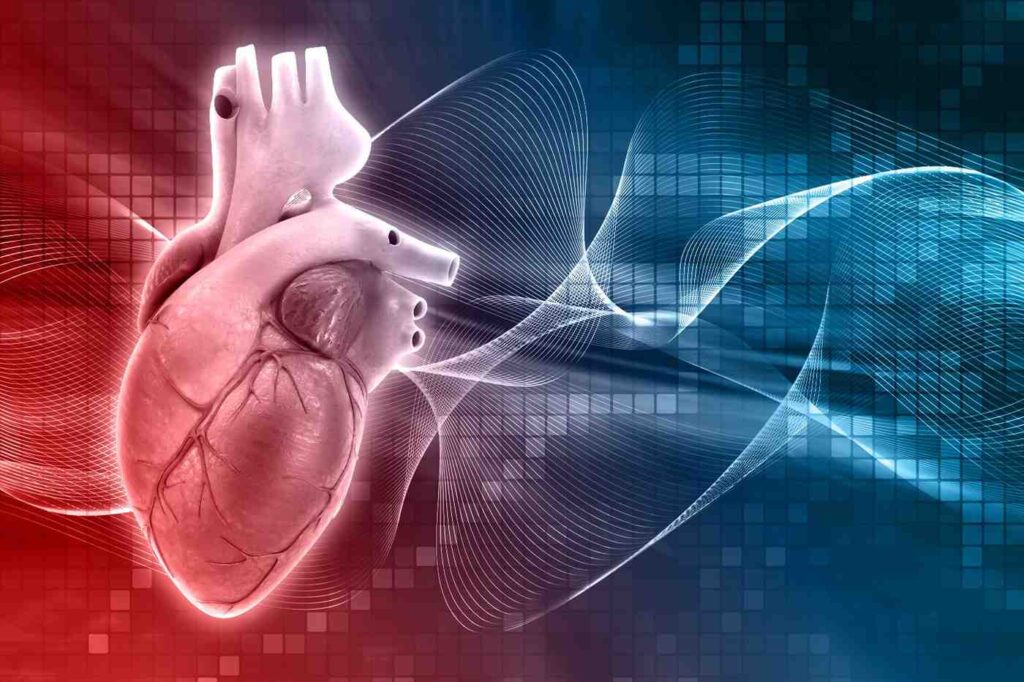
AFib increases the risk of stroke because blood can pool in the heart and form clots that may travel to the brain. If untreated, AFib may also weaken the heart over time.
Atrial flutter is another type of abnormal heart rhythm that affects the atria. In atrial flutter, the electrical signals are more organized than in AFib but circulate rapidly in a loop, causing the heart to beat fast and regularly.
Symptoms are similar to AFib and may include:
Some people may have no symptoms at all.
Heart disease or a history of heart surgery can affect the heart’s structure and electrical system, increasing the risk of abnormal heart rhythms and other cardiac complications.
High Blood Pressure High blood pressure (hypertension) occurs when blood pushes too strongly against artery walls. Over time, it can strain the heart and increase the risk of heart disease and stroke.
Lung disease affects breathing and oxygen levels in the body, which can place added strain on the heart. Over time, this may increase the risk of abnormal heart rhythms and other heart-related problems.
Thyroid problems occur when the thyroid gland produces too much or too little hormone, affecting metabolism and heart function. These imbalances can lead to changes in heart rate and rhythm.

Heart disease or a history of heart surgery can affect the heart’s structure and electrical system, increasing the risk of abnormal heart rhythms and other cardiac complications.

High Blood Pressure High blood pressure (hypertension) occurs when blood pushes too strongly against artery walls. Over time, it can strain the heart and increase the risk of heart disease and stroke. Managing it with medication and healthy lifestyle habits helps prevent complications.

ung disease affects breathing and oxygen levels in the body, which can place added strain on the heart. Over time, this may increase the risk of abnormal heart rhythms and other heart-related problems.

Thyroid problems occur when the thyroid gland produces too much or too little hormone, affecting metabolism and heart function. These imbalances can lead to changes in heart rate and rhythm.

Excessive alcohol use can negatively affect the heart by increasing blood pressure and disrupting normal heart rhythm. Over time, it raises the risk of heart disease, atrial fibrillation, and other serious health problems.

Treatment depends on symptoms, overall health, and the type of rhythm problem. Options may include:
Medicines are used to slow the heart rate or restore a normal heart rhythm.
Blood-thinning medicines help prevent clots and lower the risk of stroke.
A controlled electrical shock is used to reset the heart to a normal rhythm.
A procedure that uses energy to destroy abnormal heart tissue causing irregular rhythms.
Healthy habits like regular exercise, weight control, and limiting alcohol help improve heart rhythm and overall heart health.
Recognized worldwide for providing reliable and high-quality patient care.
Seek medical help right away if you experience:
© 2023 Created with Royal Elementor Addons