
Make an Appointment

Edit Template

ICD (Implantable Cardioverter Defibrillator) Implantation

What does an ICD do?

It detects dangerous rhythms and delivers a life-saving shock to restore normal heartbeat.

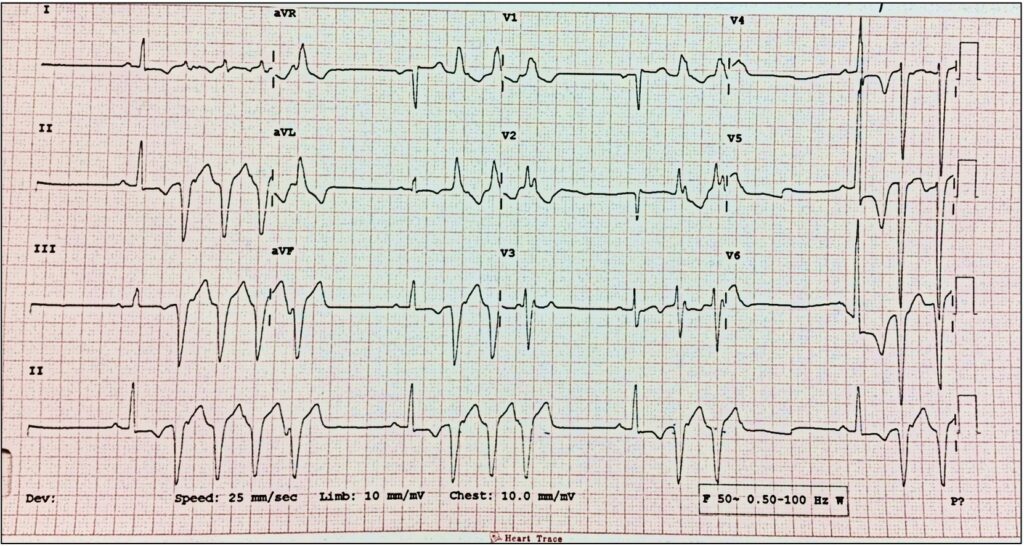
An ICD, or Implantable Cardioverter Defibrillator, is a small electronic device implanted in patients at risk of life-threatening heart rhythms, such as ventricular tachycardia (VT) or ventricular fibrillation (VF). These abnormal rhythms can lead to sudden cardiac arrest if not treated promptly.

What is the procedure for ICD implantation?

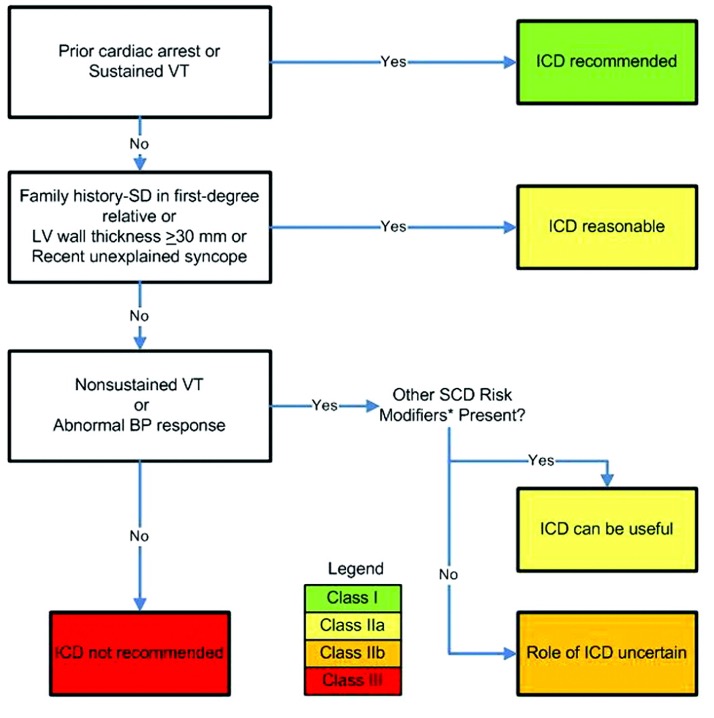
ICD implantation is a minimally invasive cardiac procedure used to prevent sudden cardiac death in patients at risk of life-threatening arrhythmias. The procedure is usually performed in a cardiac catheterization lab or operating room under local anesthesia with mild sedation.

Patients at risk of sudden cardiac arrest

Sudden cardiac arrest (SCA) can strike without warning. Patients at higher risk include those with heart disease, previous heart attacks, heart failure, or irregular heart rhythms.

Recurrent VT or VF

Recurrent ventricular tachycardia (VT) or ventricular fibrillation (VF) are life-threatening heart rhythm disorders that can lead to sudden cardiac arrest. Patients with structural heart disease, prior heart attacks, or weakened hearts are at higher risk.

Weak heart function

Weak heart function, or reduced heart pumping ability, increases the risk of heart failure and sudden cardiac arrest. Causes include heart attacks, cardiomyopathy, and chronic high blood pressure.

Recommended for

Patients at risk of sudden cardiac arrest

Sudden cardiac arrest (SCA) can strike without warning. Patients at higher risk include those with heart disease, previous heart attacks, heart failure, or irregular heart rhythms. Lifestyle factors like high blood pressure, diabetes, obesity, and smoking can also increase risk. Early detection and regular check-ups are key to prevention.

Recurrent VT or VF

Recurrent ventricular tachycardia (VT) or ventricular fibrillation (VF) are life-threatening heart rhythm disorders that can lead to sudden cardiac arrest. Patients with structural heart disease, prior heart attacks, or weakened hearts are at higher risk. Early diagnosis and treatments like medications, implantable defibrillators, or ablation can prevent dangerous episodes.

Weak heart function

Weak heart function, or reduced heart pumping ability, increases the risk of heart failure and sudden cardiac arrest. Causes include heart attacks, cardiomyopathy, and chronic high blood pressure. Early diagnosis, medications, and lifestyle changes can help improve heart health and prevent complications.
Dr. Avinash Verma is a senior Cardiac Electrophysiologist and Director of the BLK Max Heart Institute, specializing in advanced, minimally invasive treatment of heart rhythm disorders with personalized patient care.

Contact Us

Work Hours

Consultations are available by prior appointment at BLK Max Super Speciality Hospital, New Delhi. Clinic timings may vary based on procedures and hospital schedules.

© 2023 Created with Royal Elementor Addons