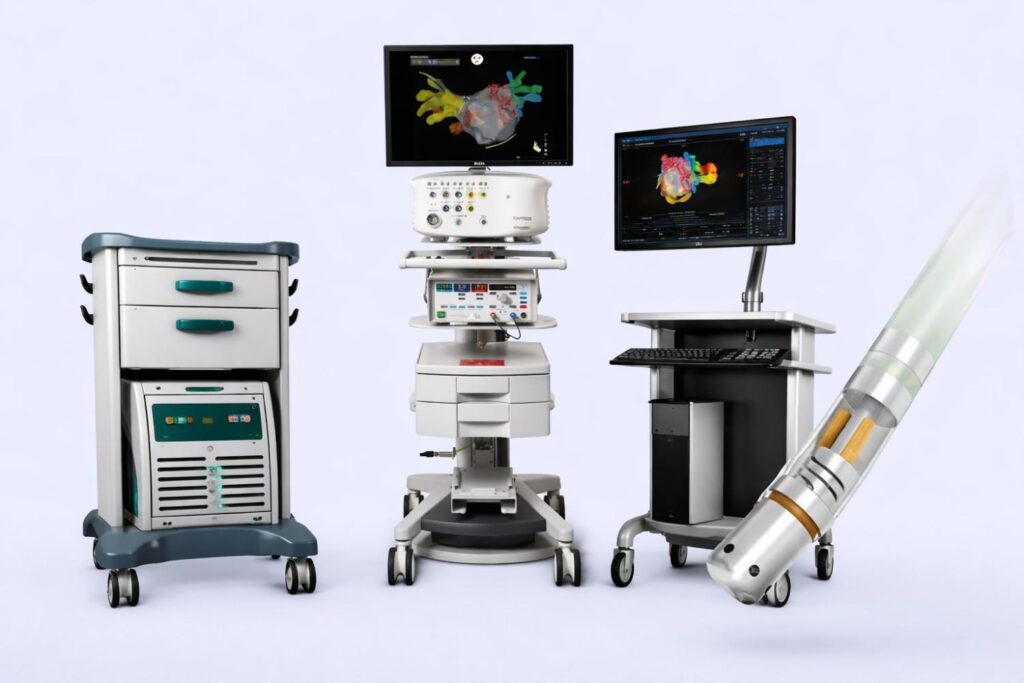
3D mapping creates a virtual, detailed model of your heart to guide the ablation with precision.
Unlike traditional methods that rely on X-rays, 3D mapping provides a precise visualization of the heart chambers and abnormal electrical pathways.
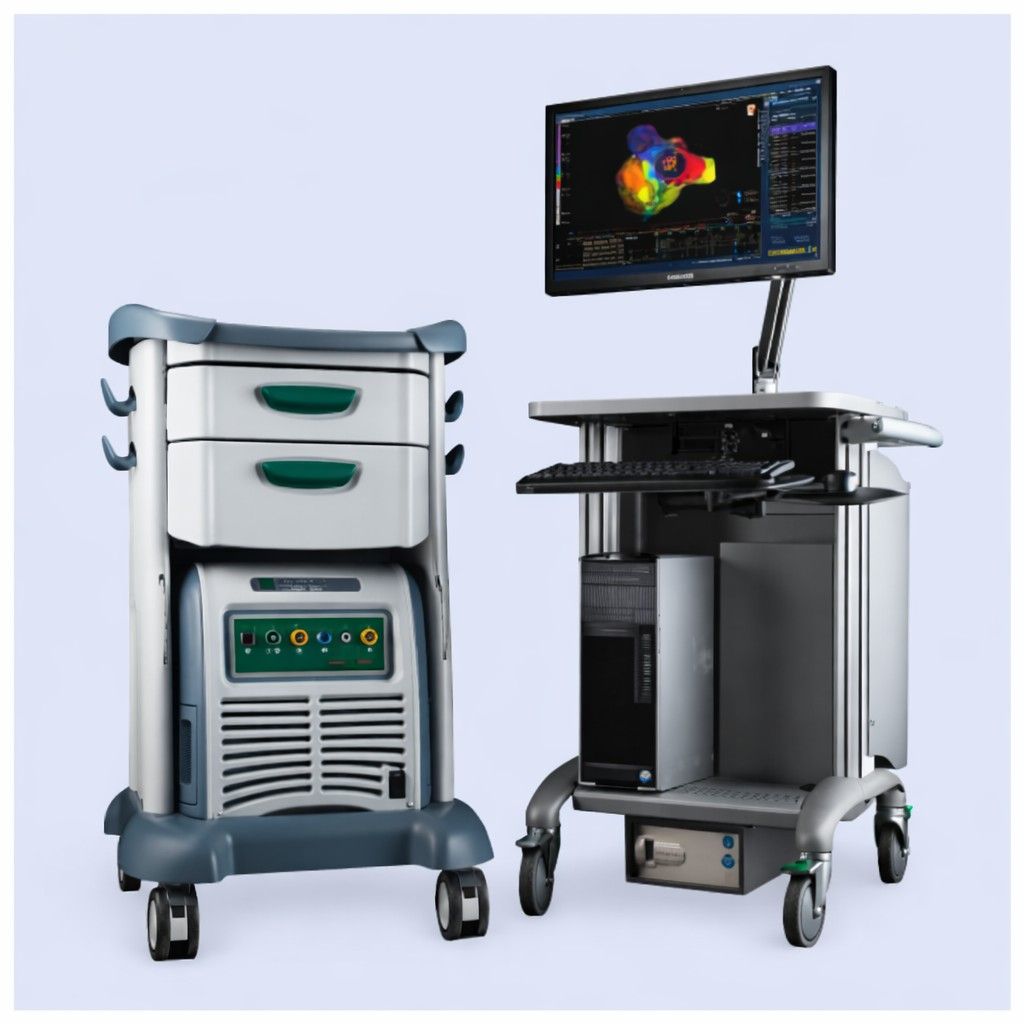
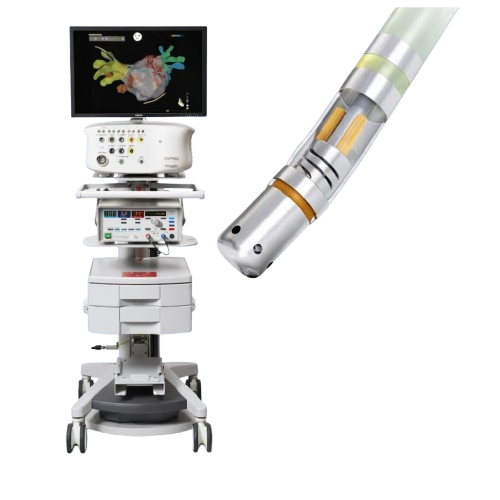
Ablation removes or isolates the abnormal electrical areas of the heart responsible for arrhythmias.
The goal of ablation is to restore normal heart rhythm, reduce symptoms like palpitations and fatigue, and prevent complications such as stroke.
Diagnostic tools like ECGs, Holter monitors, and event recorders are used to detect irregular heart rhythms. Early diagnosis of arrhythmias allows timely management, preventing complications like stroke or heart failure.
Tests are used to investigate unexplained symptoms such as palpitations, fainting, or dizziness. Monitoring heart activity during these episodes helps identify underlying cardiac causes and guides appropriate treatment.
Diagnostic tools like ECGs, Holter monitors, and event recorders are used to detect irregular heart rhythms. Early diagnosis of arrhythmias allows timely management, preventing complications like stroke or heart failure.
Diagnostic tests help doctors determine the need for procedures like catheter ablation or the implantation of pacemakers or defibrillators. Accurate evaluation ensures that therapy is targeted and effective in treating abnormal heart rhythms.
Tests are used to investigate unexplained symptoms such as palpitations, fainting, or dizziness. Monitoring heart activity during these episodes helps identify underlying cardiac causes and guides appropriate treatment.
© 2023 Created with Royal Elementor Addons