What is a CRT-P
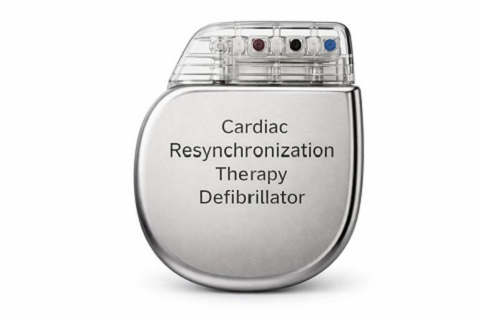
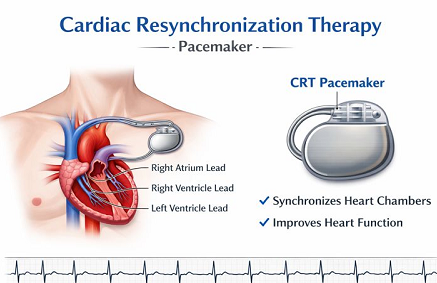
Unlike a standard pacemaker that usually paces only the right side of the heart, a CRT-P uses three leads (wires) to coordinate the contraction of both the left and right ventricles.
By ensuring that both sides of the heart pump together in perfect harmony, the CRT-P improves the amount of oxygen-rich blood circulated to your body, allowing the heart to work more efficiently without working harder.
CRT-P vs. CRT-D: What is the Difference
While both devices provide resynchronization therapy, the choice depends on your specific risk profile:
- CRT-P (Pacemaker):Focuses solely on synchronizing the heartbeat and treating slow rhythms. It is often preferred for older patients or those whose primary goal is symptom relief and improved quality of life.
- CRT-D (Defibrillator):Includes all the functions of a CRT-P but also has the ability to deliver a life-saving shock if it detects a dangerously fast heart rhythm.
Is CRT-P Right for You
Our cardiac Electrophysiologist may recommend a CRT-P if you have:
- Heart Failuresymptoms (New York Heart Association Class II, III, or IV).
- A low Ejection Fraction(reduced pumping strength).
- Intraventricular Conduction Delay(such as Left Bundle Branch Block), which causes the heart walls to contract at different times.
- A need for a pacemaker but a lower risk of sudden cardiac arrest.
The Implantation Procedure
Implanting a CRT-P is a minimally invasive procedure performed in our state-of-the-art Electrophysiology (EP) Lab:
- Preparation:Performed under local anesthesia and conscious sedation.
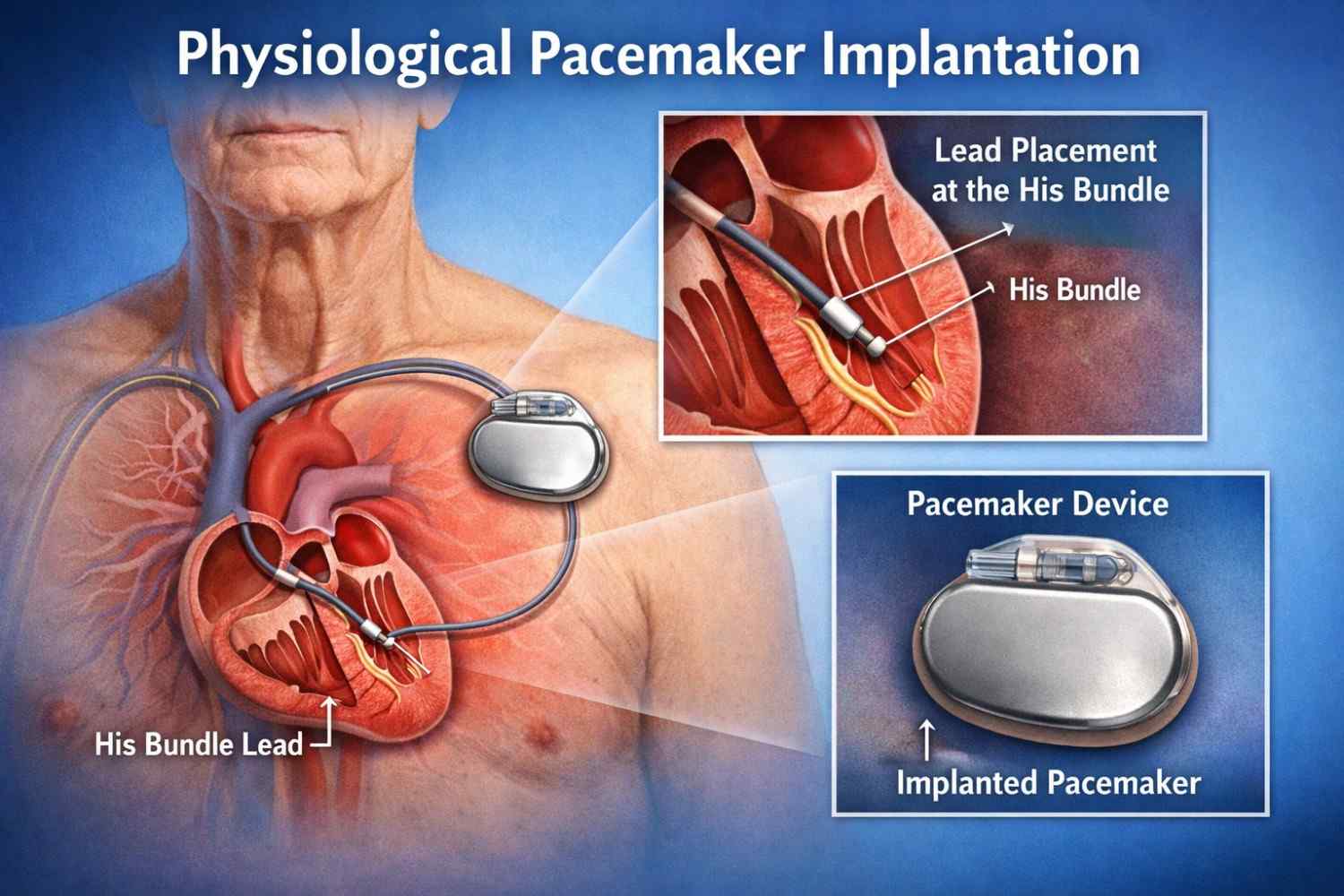
- Lead Positioning:Three leads are guided through the veins: one to the right atrium, one to the right ventricle, and a crucial third lead to the left ventricle via the coronary sinus.
- Device Integration:The leads are connected to a small pulse generator placed just beneath the skin near the collarbone.
- Optimization:We use real-time imaging to ensure the leads are in the “sweet spot” for maximum heart efficiency.
Recovery: Most patients are discharged within 24 hours and notice an improvement in their physical stamina within a few weeks.
Benefits of CRT-P Therapy
- Increased Mobility:Walk further and climb stairs with less effort.
- Reduced Symptoms:Decreases swelling in the ankles and shortness of breath.
- Heart Remodeling:In many cases, the heart actually begins to shrink back to a more normal size as its efficiency improves.
- Improved Survival:Proven to reduce hospital readmissions and improve long-term outcomes for heart failure patients.