What is LOT-CRT
LOT-CRT is an advanced procedure that combines two powerful technologies into one treatment:
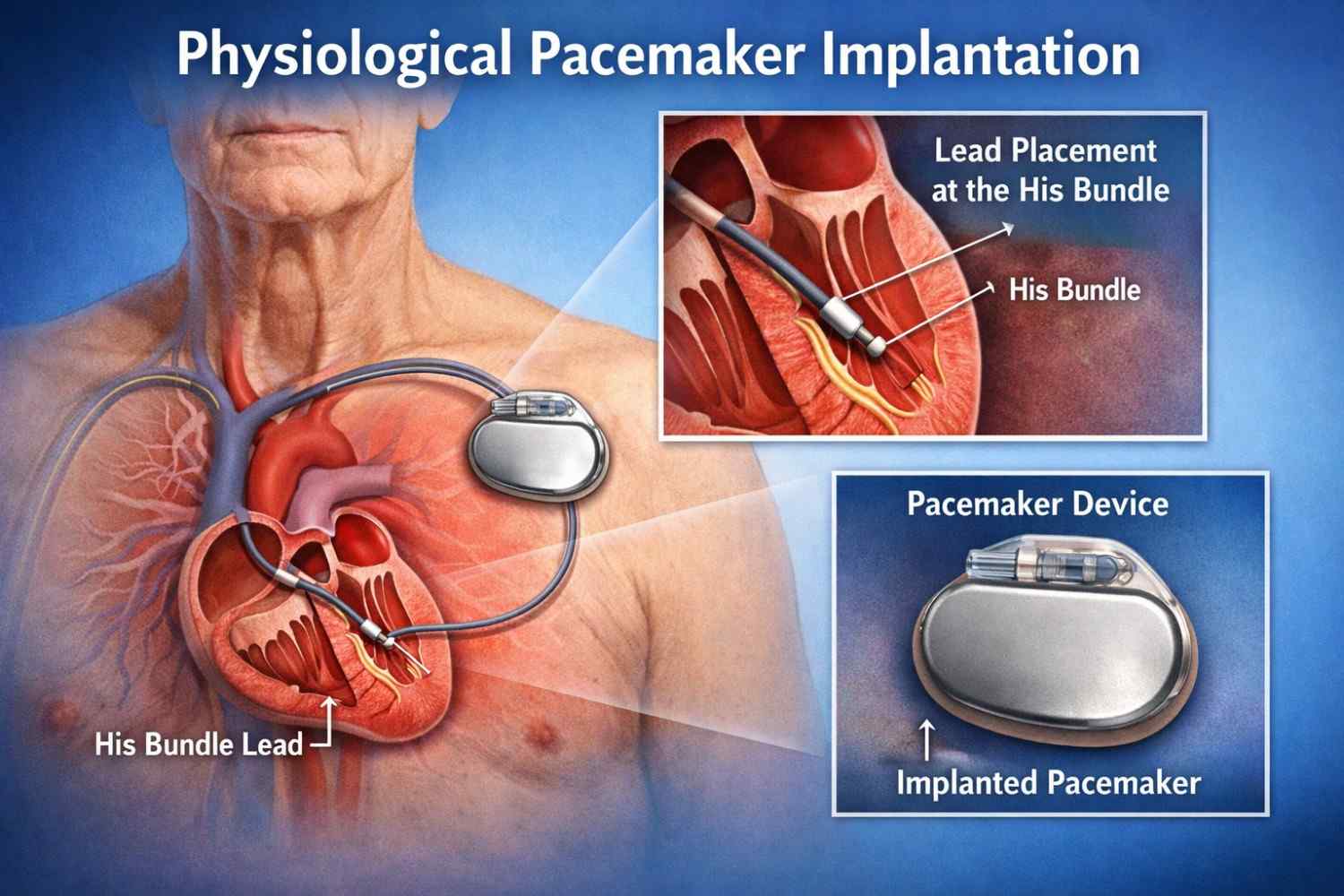
- LBBAP (Left Bundle Branch Area Pacing):This stimulates the heart’s natural, “physiological” wiring to ensure the most natural heartbeat possible.
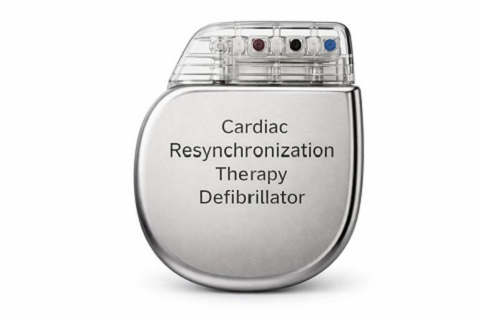
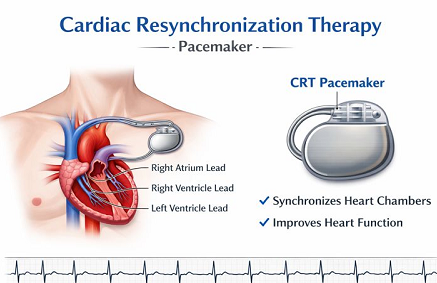
- CRT (Cardiac Resynchronization Therapy):The traditional method of using multiple leads to coordinate the heart’s chambers.
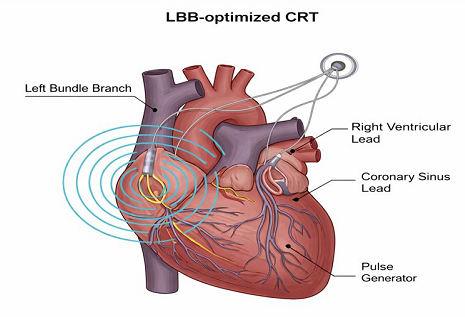
By combining these, LOT-CRT provides “super-resynchronization.” It ensures that even the most difficult-to-treat hearts achieve a perfectly timed, efficient contraction that standard CRT alone might not reach.
Why Choose LOT-CRT
Traditional CRT (Biventricular pacing) is life-saving, but approximately 30% of patients are “non-responders”—meaning their symptoms don’t improve as much as expected. LOT-CRT is specifically designed to bridge this gap.
- Superior Coordination:It captures the heart’s intrinsic conduction system while simultaneously pacing the outer wall of the heart.
- Better Heart Function:Studies in 2024 and 2025 show that LOT-CRT can lead to a greater improvement in Ejection Fraction (EF) compared to traditional pacing.
- Tailored for “Non-Responders”:It is the primary choice for patients who did not get better with a standard CRT-P or CRT-D.
Who is a Candidate
Our electrophysiologists may recommend LOT-CRT for:
- Patients with Advanced Heart Failureand a very wide QRS complex on their ECG.
- Patients with Right Bundle Branch Block (RBBB)or complex conduction diseases.
- “Non-responders” who have an existing CRT device but still experience shortness of breath and fatigue.
- Patients with enlarged hearts where standard lead placement is anatomically difficult.
The Procedure: Mastery in the EP Lab
LOT-CRT is a high-precision procedure that requires specialized expertise and equipment:
- Dual-Lead Strategy:One lead is deeply implanted into the interventricular septum to reach the Left Bundle Branch, while another is placed via the coronary sinus to pace the left ventricle’s lateral wall.
- Real-time Electrophysiology:We use sophisticated 3D mapping and intracardiac signals to verify that we have “captured” the heart’s natural electrical highway.
Life After LOT-CRT
Patients undergoing LOT-CRT often experience a more “robust” recovery. Because the pacing is more physiological (natural), the heart undergoes Reverse Remodeling—where the heart muscle actually strengthens and returns to a more normal shape and size more effectively than with older pacing methods.